
Holiday Travel With a Newborn. What to Expect and How to Make It Easier
The holidays are magical… but can be chaotic. Add a newborn to the mix and boom, suddenly traveling, packing, and visiting family feels like planning a military operation. If this is your first time traveling with a baby during the holidays, you’re not alone. Every year parents Google the same questions: How do I travel with a newborn? Will my baby sleep on the plane? What do I pack? And of course, the biggest one, Should I keep my butt home.
The good news is that holiday travel with a newborn can go smoothly, as long as you know what to expect and how to prepare. Newborns are actually more portable than most people think. They eat, sleep, and cuddle. That’s their whole routine. But getting through travel days takes planning, flexibility, and above all realistic expectations. Think of it like this, you’re not looking for a perfect trip, you’re aiming for a calm one.
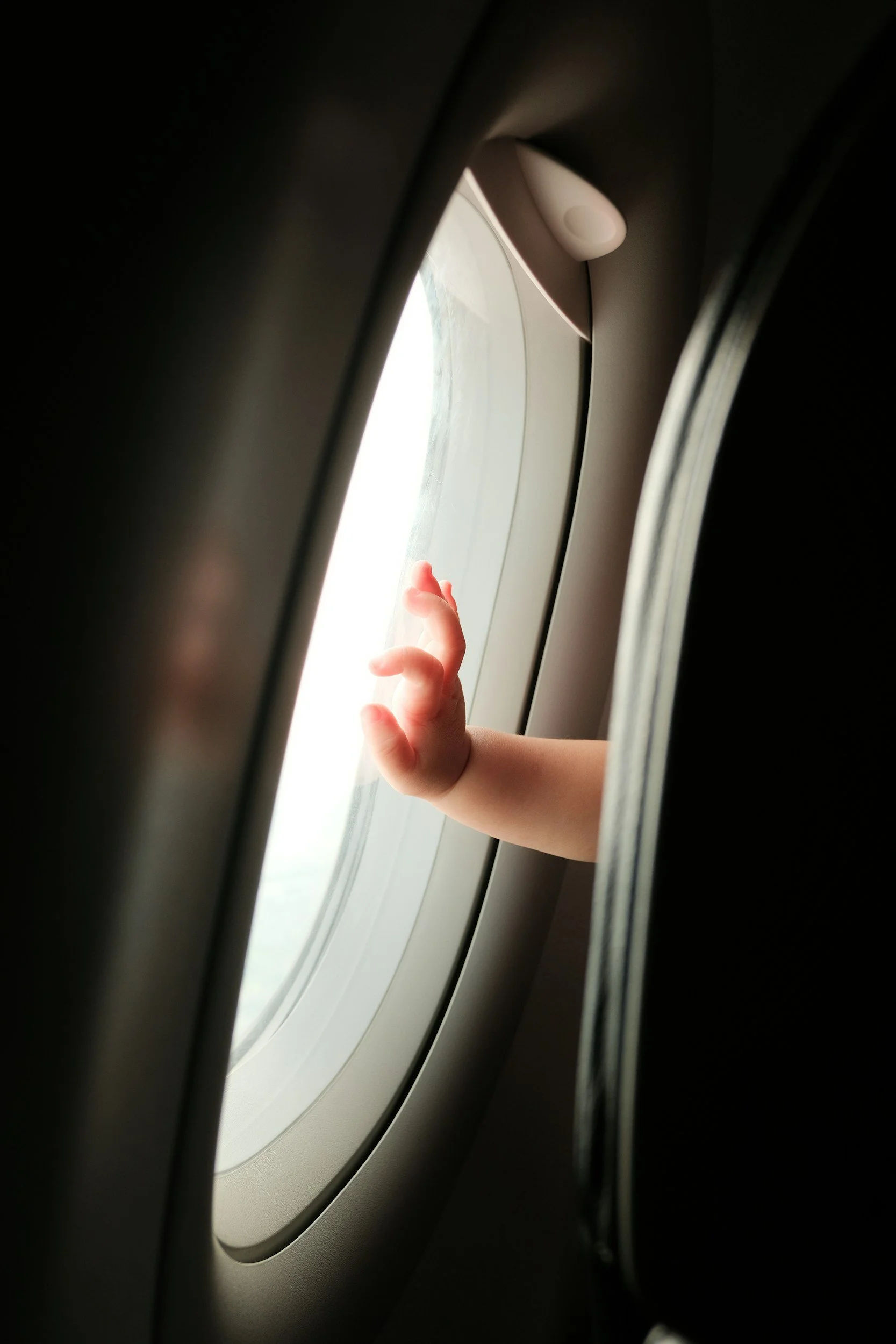
The first thing to know is that newborns thrive on rhythm. During the holidays, everything is louder, brighter, and more stimulating. Don’t stress if naps are shorter or feedings shift slightly, what matters most is keeping a consistent flow: feed, burp, cuddle, nap. If you stick to that, your baby will feel secure even while traveling.
If you’re flying, the biggest fear for most parents is crying on the plane. The truth is, most newborns sleep through flights because the engine noise is basically white noise. The trick is to feed your baby during takeoff and landing. This helps with ear pressure and keeps them calm. Bring extra bottles or be prepared to breastfeed more frequently, babies often eat a little more during travel for comfort.
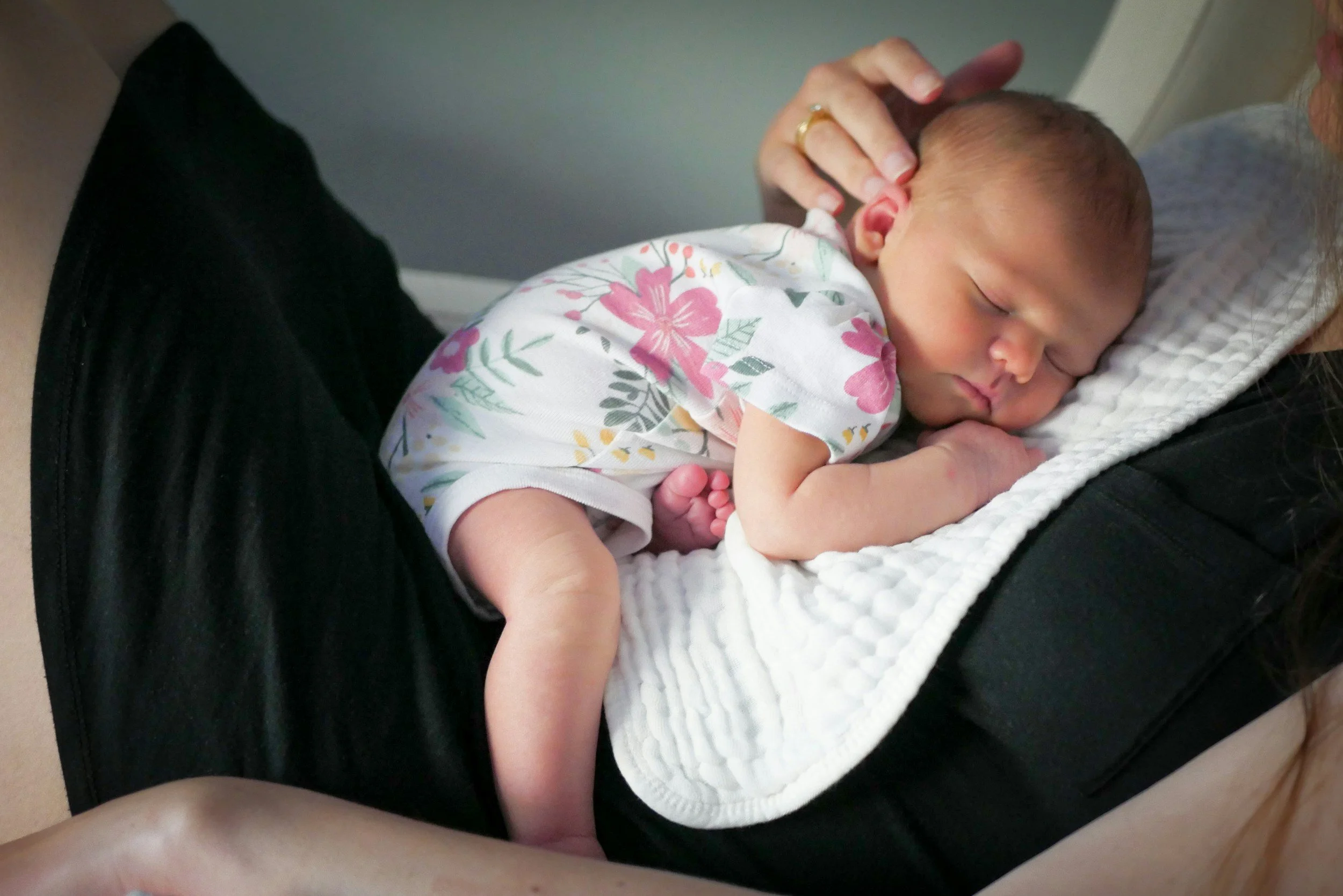
Car travel is simpler but still requires planning. Aim to stop every two to three hours to feed, change, and stretch. Newborns shouldn’t stay in a car seat for long stretches without breaks, especially young infants. Use those stops to reset both the baby and yourself. A tired parent is just as real as a tired baby. You can’t properly care for others if you're not properly caring for yourself.
Holiday gatherings are where many parents feel overwhelmed. Everyone wants to hold the baby, pass the baby around, kiss the baby, and “offer help.” It’s okay to set boundaries. You can say something like, “We’re keeping baby close to us today, thank you for understanding”. “His/Her immune system is still developing, please no hugs or kisses”. Let people admire from a distance if needed.
Another common struggle during the holidays is overstimulation. The lights, the noise, the endless background music, it’s a lot for a tiny human. Watch your baby’s cues: red eyebrows, yawning, staring off, squirming, or sudden fussiness can all mean “I need a break.” Stepping into a quiet room for 10 minutes, dimming the lights, and offering a feed or a swaddle can calm them instantly.
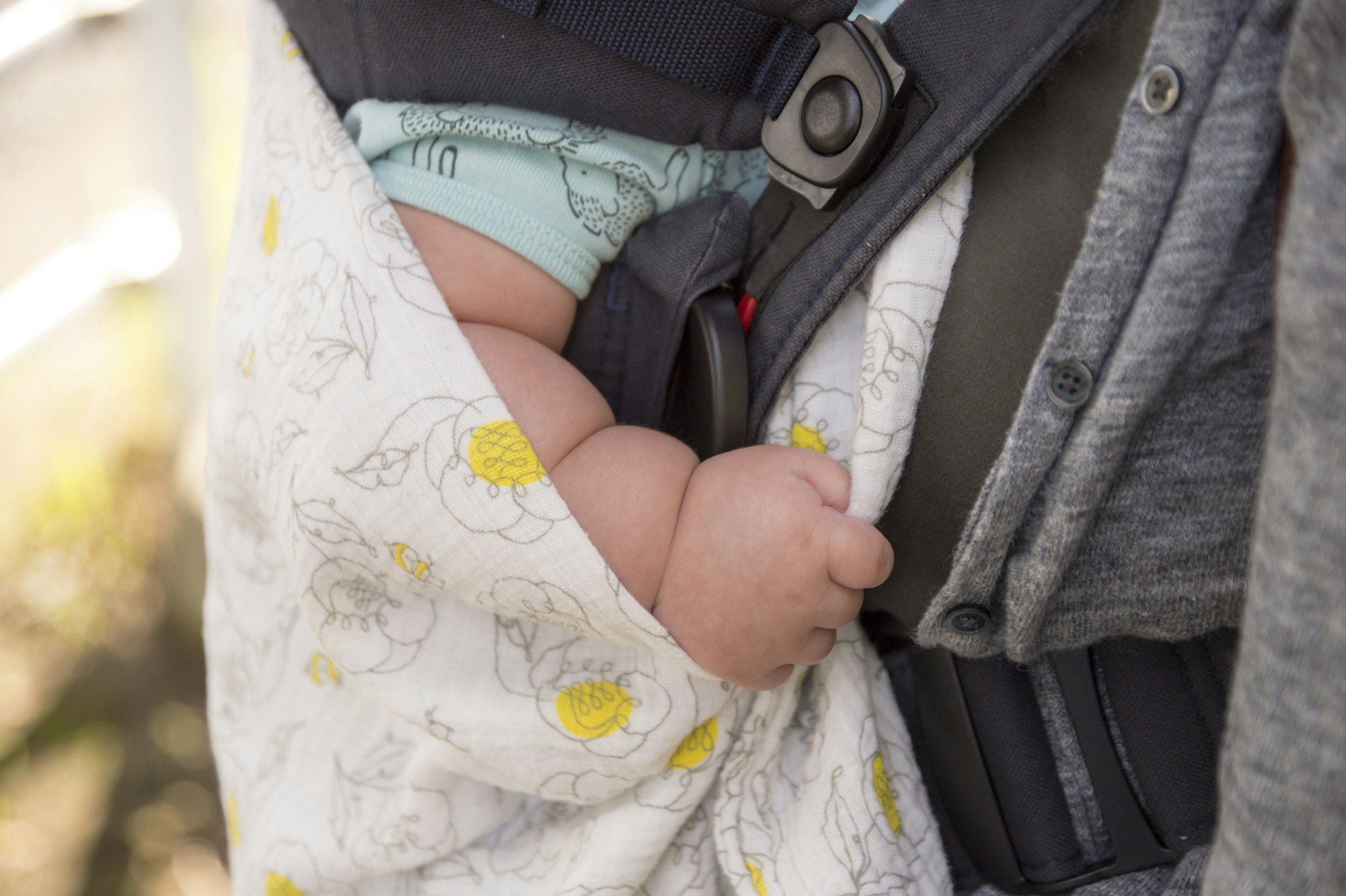
Packing is where parents often add unnecessary stress. You don’t need to bring your entire nursery. Think in categories: feeding, diapering, sleep, weather, and one comfort item. For newborns, routine is created through familiar smells and warmth, not toys or gear. A swaddle, a favorite blanket, and your baby carrier will do far more for your sanity than five different gadgets. And remember, who has to carry all that load.. so don’t pack it if you don’t need it.
And finally, give yourself grace. The holidays come with pressure, to show up, to look like you’re doing well, to make everyone happy. But this season is about your family, not perfection. If you need to leave a gathering early, skip an event, or take a long break in a quiet guest room, that’s okay. You are caring for a brand new human and yourself at the same time.
Holiday travel with a newborn takes patience, preparation, and realistic expectations, but it can actually be sweet and peaceful. With the right planning, a flexible mindset, and a willingness to slow things down, you can enjoy the season while keeping your little one calm, cozy, and content.